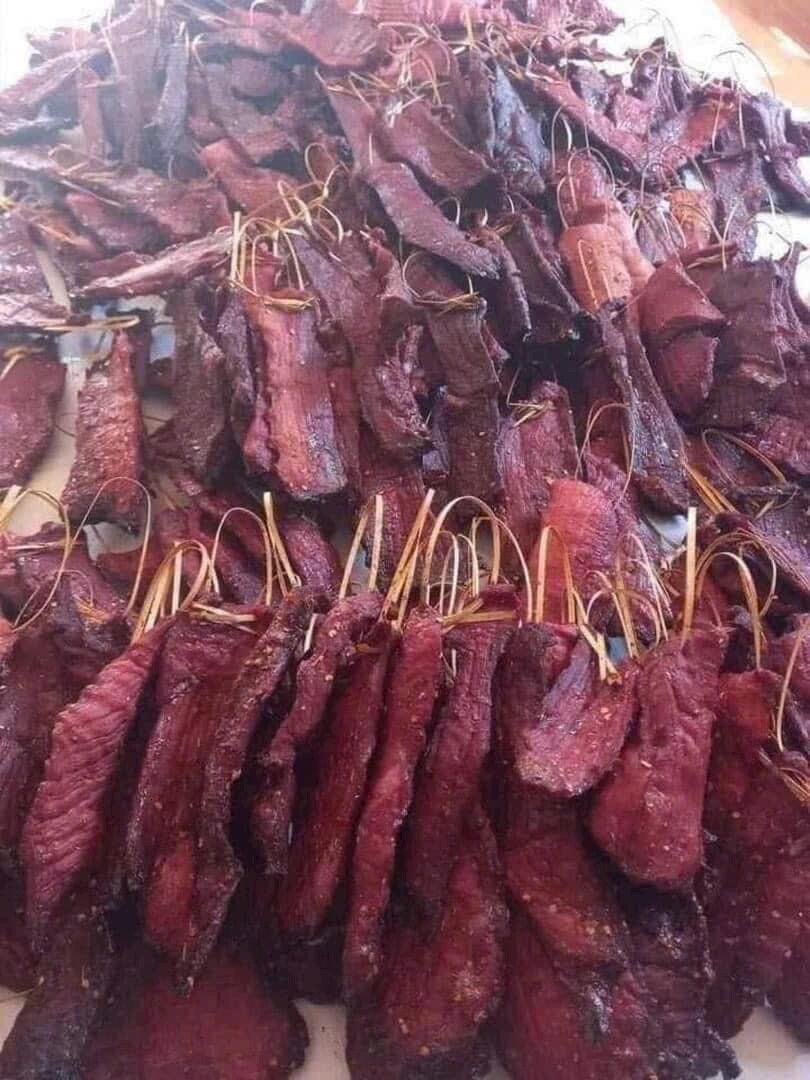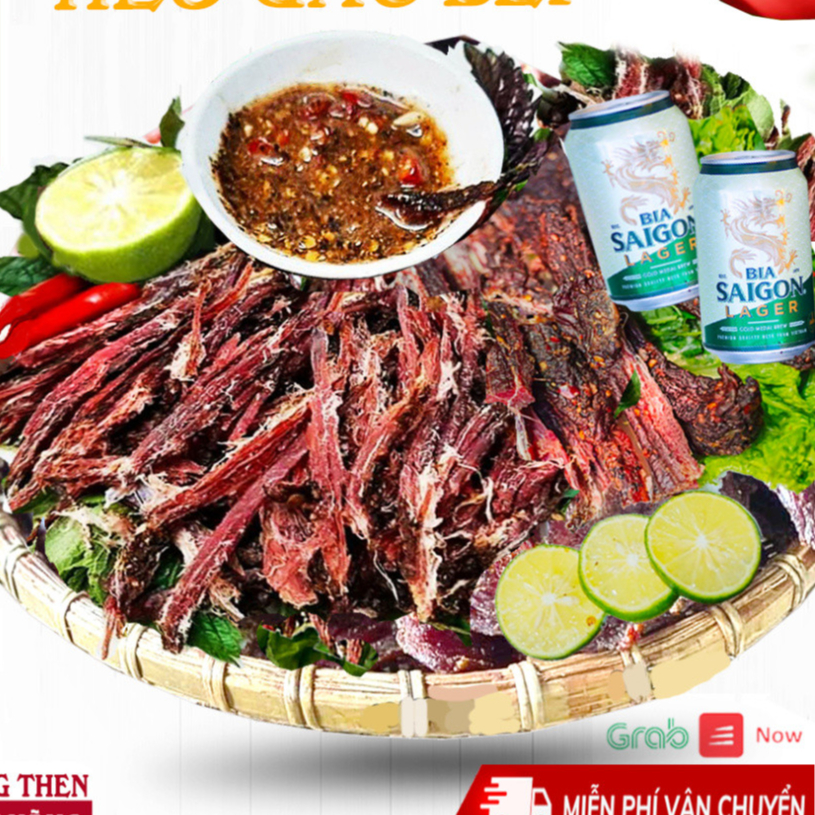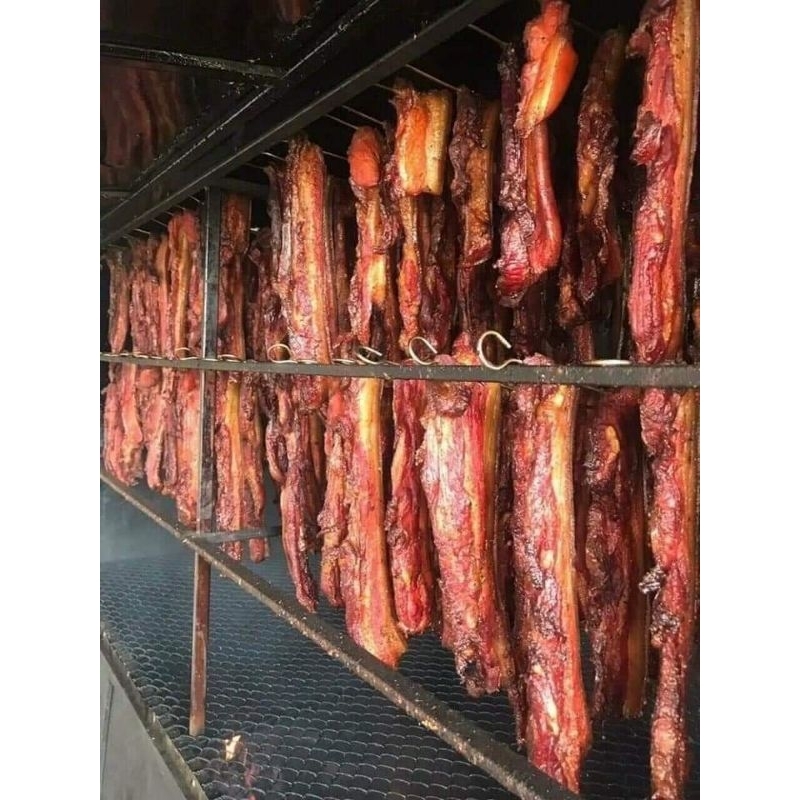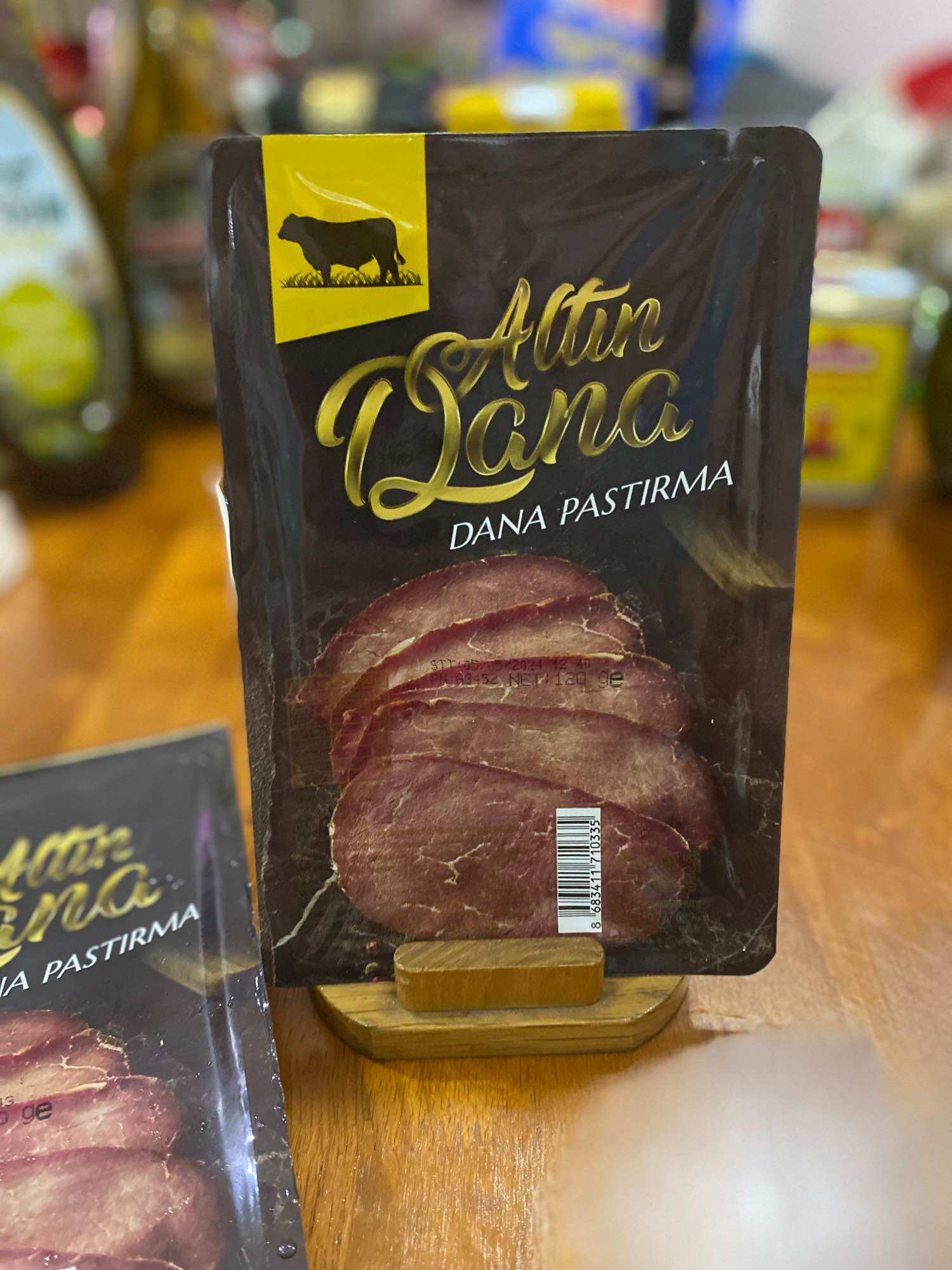
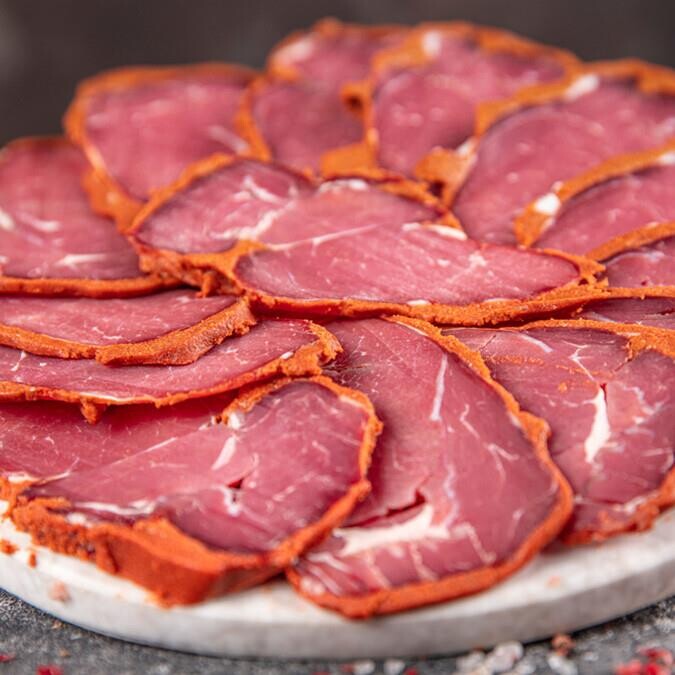
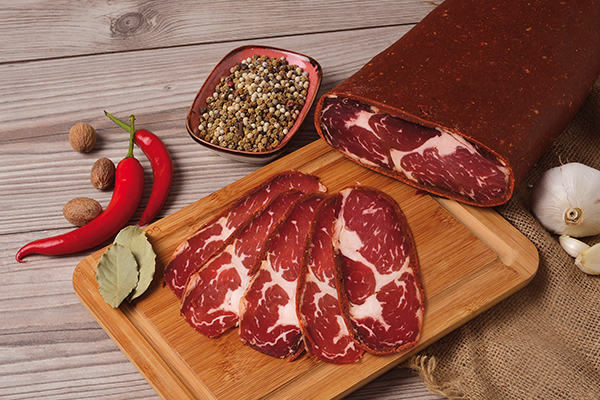
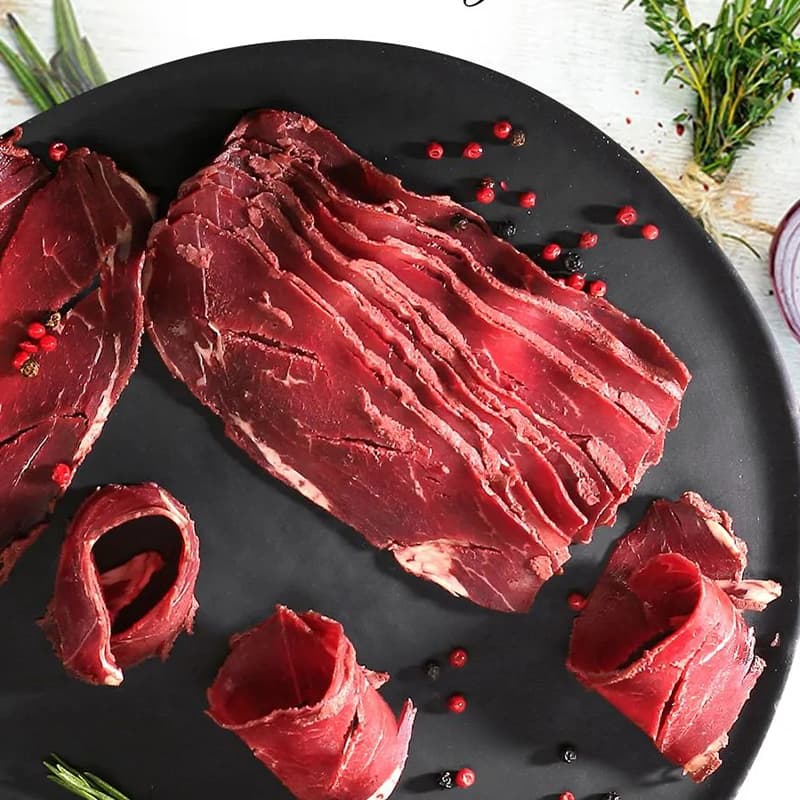
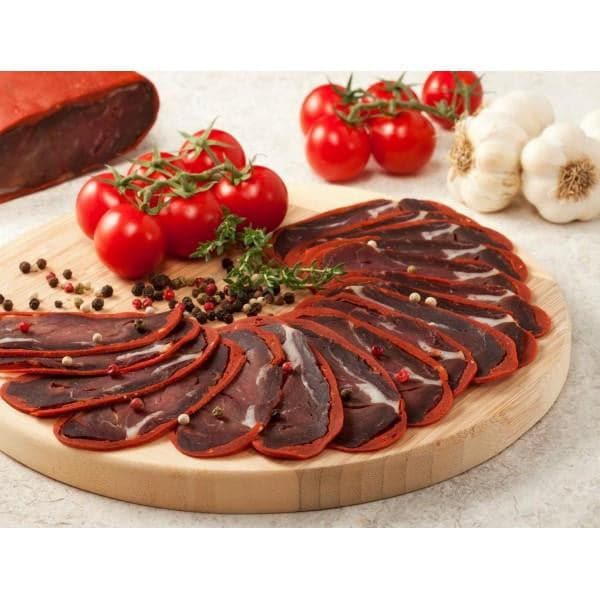

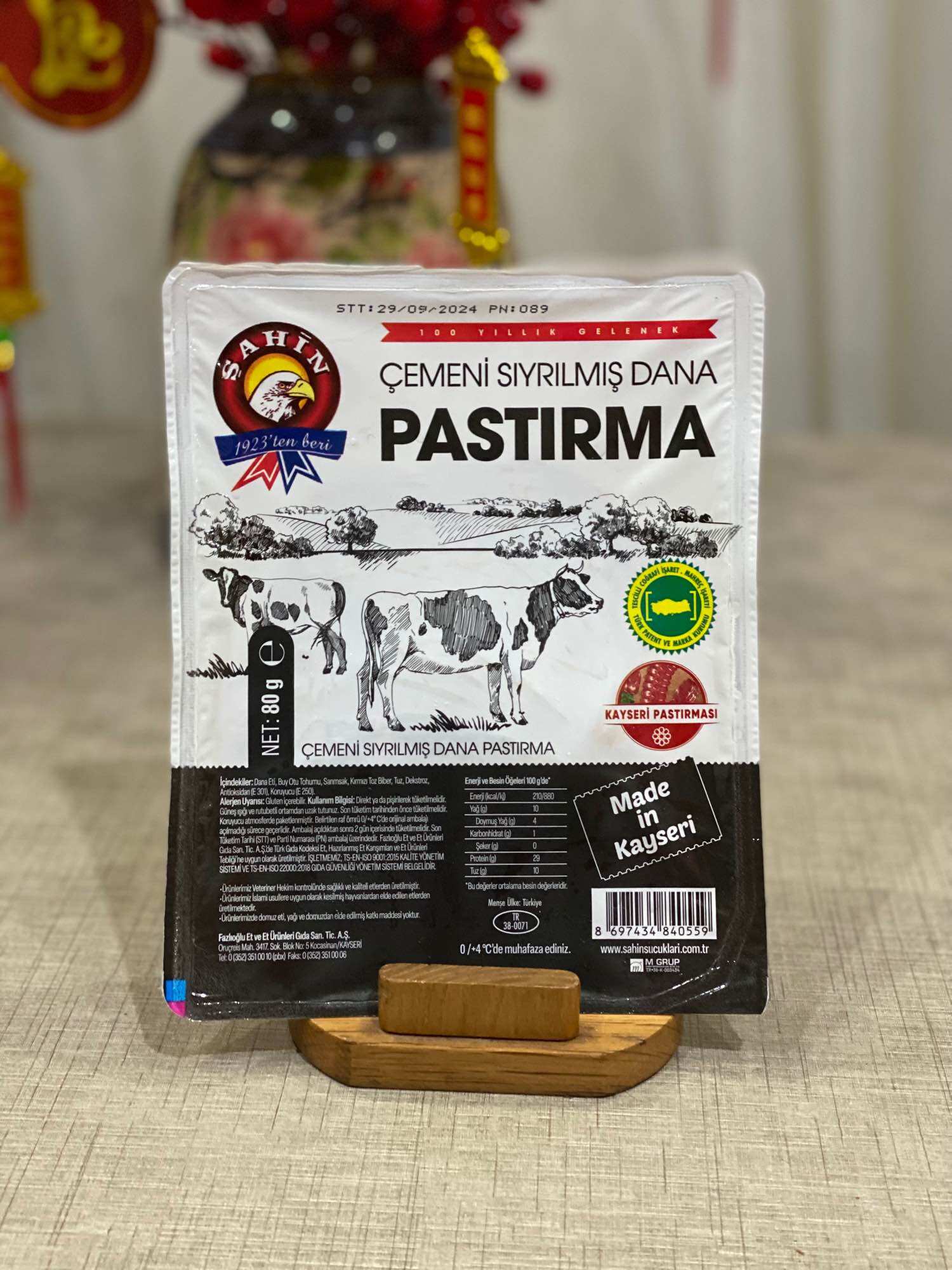
Pastirma is usually made from water buffalo or beef, but other meats can also be used. In Egypt, pastirma is made not only with beef, but with lamb, water buffalo, goat and camel as well.[22] Some pastirmas are made with horsemeat.[23] Different cuts of meat may be used; a single cow can produce 26 different "types" of pastirma. Fillet, shank, leg and shoulder cuts are used for the best quality pastirmas.[11][10] It is usually made during the months of October and November.[24]
To make pastirma, the meat is rinsed and salted before being dried and pressed. After the first drying period, the meat is cold pressed for up to 16 hours. This aids the process of removing moisture from the meat. After the first pressing, the meat is dried for several days, during which the fats melt and form a white layer. The second press is a "hot press".[25] Finally, the dried and pressed meat is covered with a spice paste called çemen. Çemen is made from a paste of ground fenugreek seeds, chili powder[26] and mashed garlic.[27][28] The dried product is covered with the wet paste and left to dry again. The entire process takes approximately one full month.[10] Pastirma is classified as an "intermediate moisture food". Lowering the moisture level is a form of food preservation that hinders the growth of microorganisms, and the çemen paste "is used to control surface mold growth during storage".[27] Other functions of the çemen include improved flavor, characteristic red coloring, prevention of further drying, and antimicrobial effects.[29]