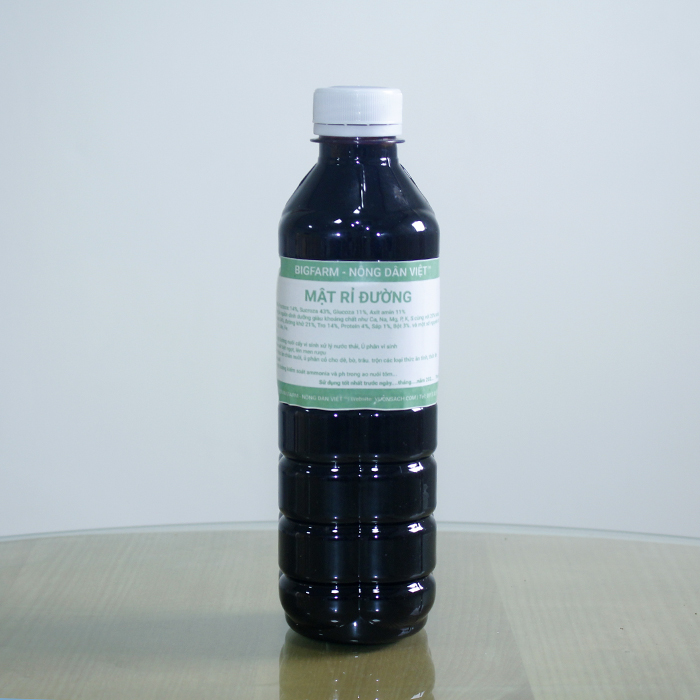
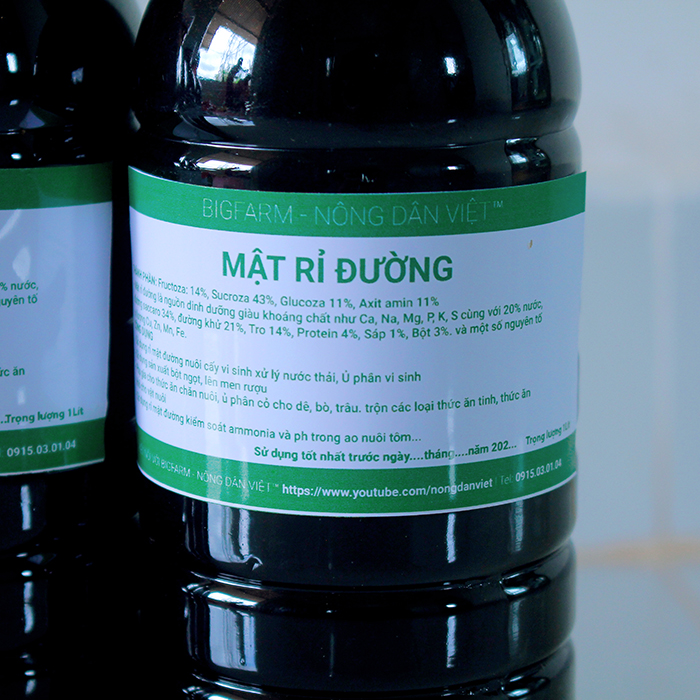
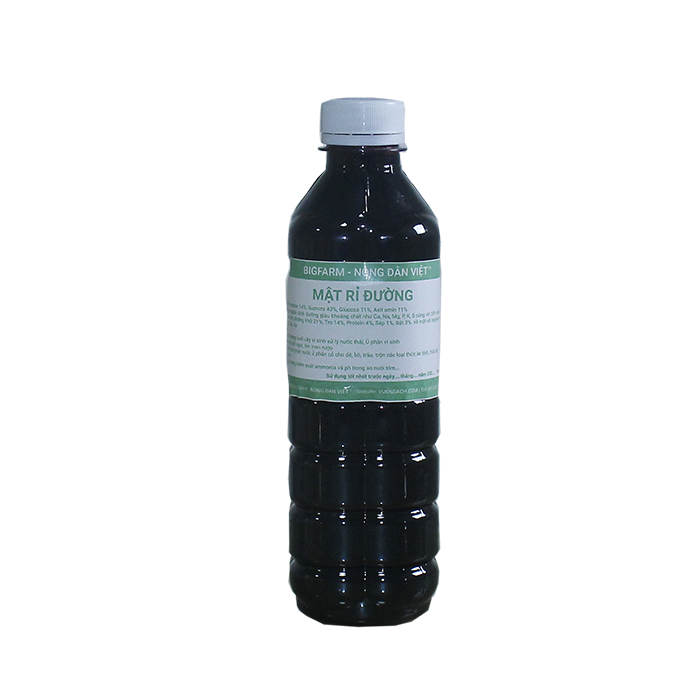
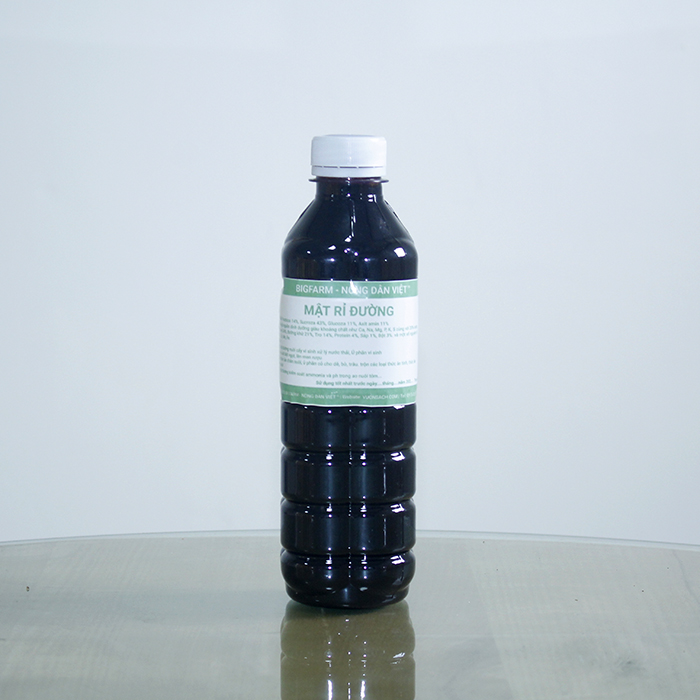
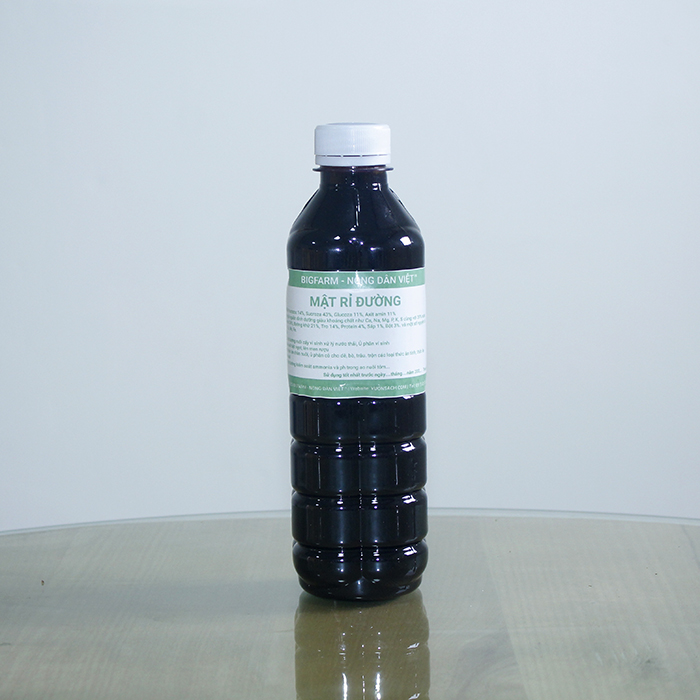

Molasses molasses is also known as molasses, molasses, molasses, ... the name in English is Molasses. This is a byproduct of the form of a thick viscous liquid remaining after sugar has been drawn by the method of concentration and crystallization.
Raw materials for molasses production can come from two types of agricultural products, sugar cane and sugar beets. However, based on climatic conditions and farming characteristics, molasses in our country is made from sugarcane.
From about 100 tons of sugarcane, about 3-4 tons of molasses will be produced. This means that molasses production accounts for about a quarter of sugar production.
The composition in molasses is difficult to predict because it depends on the varieties of sugarcane, the weather, soil, the stage of sugarcane harvest as well as the production process of each factory. As a result, molasses has the ability to significantly change nutritional composition, taste, color and viscosity.
The standard composition of molasses is usually divided into 3 parts: sugar, sugar-free organic matter and minerals.
+ Sugar: Soluble carbohydrates (double sugars and simple sugars) are the main nutritional components of molasses, of which sucrose is the main one. The total amount of sugar in beet molasses is usually lower than in molasses, but it contains almost all of the sucrose.
+ Unsweetened organic matter: The non-sugar organic substances of molasses determine many of its physical properties, especially the sticky viscosity. It consists mainly of carbohydrates such as starches, N-containing compounds and organic acids.
Minerals: Molasses is a rich source of minerals. Molasses molasses is rich in Na, K. Mg and S. Molasses also contains significant amounts of trace elements such as Cu, Zn, Fe, Mn, ...
Although it is only a by-product, molasses can be utilized and is beneficial in many areas. At the same time, this is a cheap source of raw materials, easy to use and store. Hopefully, with these advantages, molasses will become more and more popular and receive attention from consumers.
Molasses molasses is used in microbial culture, composting fertilizers and organic waste, wastewater treatment, agriculture, animal husbandry, aquaculture, additives, industrial alcohol production, ...
USER MANUAL
Composting manure and waste (composting 1 ton of manure): probiotics + 2-3 kg (1.5-2 liters) molasses + 1 ton of manure or agricultural by-products, organic waste.
Microbial culture: 1 liter of EM1 product + 1.2 kg (0.8 liter) molasses + 18 liters of water = 20 liters EM2 (incubated for 7-10 days)
Used in livestock:
Compost green food for cattle: molasses 2-4%, salt 1-2% compared to the weight of fresh grass
Using molasses for pigs: 5-10% of the feed
Using molasses for poultry (% feed): less than 4 weeks old: <1%, over 4 weeks old: <5%.
Reduce pH in aquaculture ponds: 30 liters / ha, mix in water and irrigate evenly on the pond surface.
METHODS OF PRESERVATION
Store in a dry place, away from direct sunlight and heat
Close the lid after opening
Weight: 1 liter - 1.3kg
SHELF LIFE
12 months from bottling date
#rimatrimat #simple #highestimat #taynew #dimg #diggold #default #draw